
SPONSORED ADVERTISING CONTENT
We evaluate: Top 4 manuka honey must-haves of 2025
Advertiser Disclosure
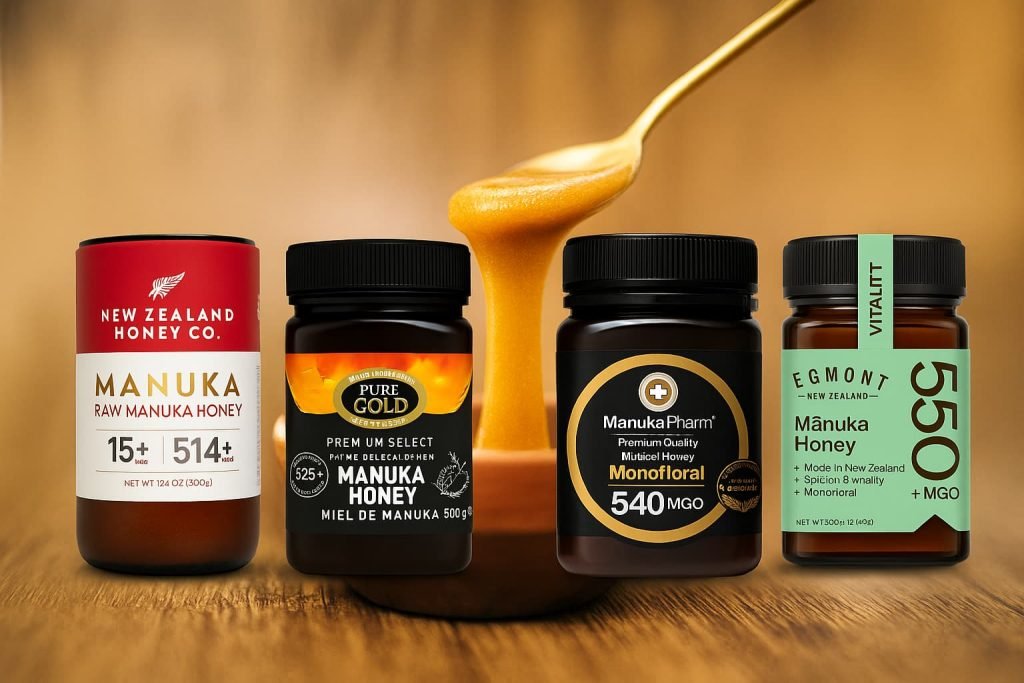
If you’ve recently walked down the condiments aisle at your local supermarket, you’ve probably noticed a peculiar phenomenon: jars of honey claiming to contain manuka ranging from £4 in Tesco stores to £145 and Holland & Barrett and beyond to an eye-watering £1,500 for ‘rare harvest manuka’ at Selfridges. It’s enough to make anyone’s head spin. But here’s the uncomfortable truth that industry experts have been warning us about: fake, diluted honey is flooding the market at an alarming rate, and your expensive jar of ‘liquid gold’ might not be all that you think it is.
A 2023 European Commission investigation uncovered a startling reality—10 honey samples sold in the UK had been blended with cheap additives such as glucose syrup and high-fructose corn syrup. Even more concerning? Industry insiders estimate that more than 80% of manuka honey products on the market aren’t authentic. With New Zealand producing only 1,700 tons of genuine manuka honey annually yet thousands of tonnes being sold globally under the manuka label, something clearly doesn’t add up.
Yet celebrities like Kourtney Kardashian, Gwyneth Paltrow and Ed Sheeran (who reportedly kept a jar on his tourbus) swear by this golden nectar. And they’re onto something. When you find the real thing, you’re gaining access to one of nature’s most extraordinary superfoods – a honey so potent that it’s being used in wound care clinics and recognised by medical professionals worldwide for its unique antibacterial properties. The key is knowing exactly what to look for, understanding the complex grading systems and learning which certifications actually matter when it comes to quality.
In this comprehensive guide, we’ll debunk the myths, cut through the confusion and give you the expert knowledge you need to invest wisely in genuine, high-quality manuka honey that delivers on its promises.
What is manuka honey?
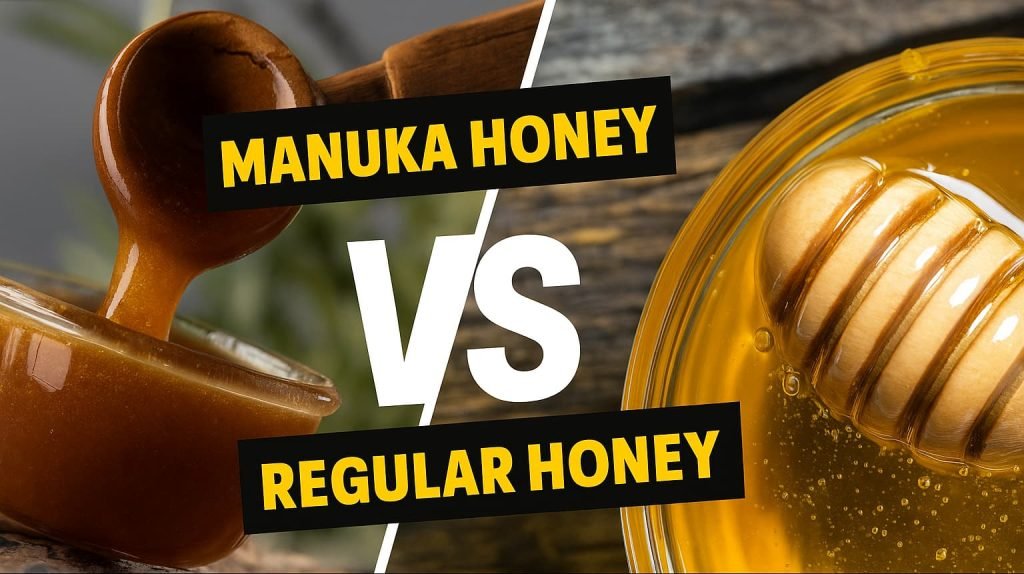
Manuka honey isn’t your average sweetener. This distinctive-tasting and creamy-textured honey is produced exclusively by bees that pollinate the manuka bush (Leptospermum scoparium), a plant native to New Zealand and parts of south eastern Australia. Unlike regular honey, manuka is darker, thicker, and has a complex, rich flavour that sets it apart from any other honey in the world.
What makes it truly special is methylglyoxal (MGO), a naturally occurring antibacterial compound that gives manuka honey its extraordinary therapeutic properties. While all honey has some antibacterial activity, manuka honey possesses additional non-peroxide antibacterial activity that remains stable even when exposed to heat and light. It is also rich in vitamins, minerals, antioxidants, and unique compounds like Leptosperin, which is only found in manuka nectar.
The rarity of manuka honey – harvested from remote, pristine locations across New Zealand – is why it costs up to 25 times more than other types of honey. However, as with any product commanding a premium price point, this has made it a prime target for counterfeiters looking to make a quick profit.
Why You Need A Green Powder
Better Than A Multivitamin
The nutrients within multivitamins are artificial. As a result, your digestive system will only absorb a fraction of its nutrients because it doesn’t recognize it the same way it would with food or a high-quality green powder (derived from food). Typically, green powders are more easily absorbed than multivitamins.
Nourish Your Body
Superfoods, like matcha, are high in vitamins, minerals, and antioxidants to help support immune function, promote energy levels, and aid in weight management, all while reducing signs of aging.
Supercharge Your Diet
Previous generations ate a wider variety of foods than we do — approximately 20 different species per day, leading to more micronutrients and phytonutrients. If you’re not eating 20 different foods per day, a nutritious green powder can help you get there.
Combat Declining Nutrients
Over the last several decades, modern farming methods (pesticides, fertilizers, etc.) have depleted the nutrients from the topsoil, producing less nutritious fruits and vegetables than in our grandparent’s time, but green powders can help fill these gaps.
How is manuka honey measured?
Confusingly, there are two different rating systems for manuka honey, MGO and UMF, and while both are indicators of quality and potency, understanding what they tell you can help you make the right decisions with your purchase.
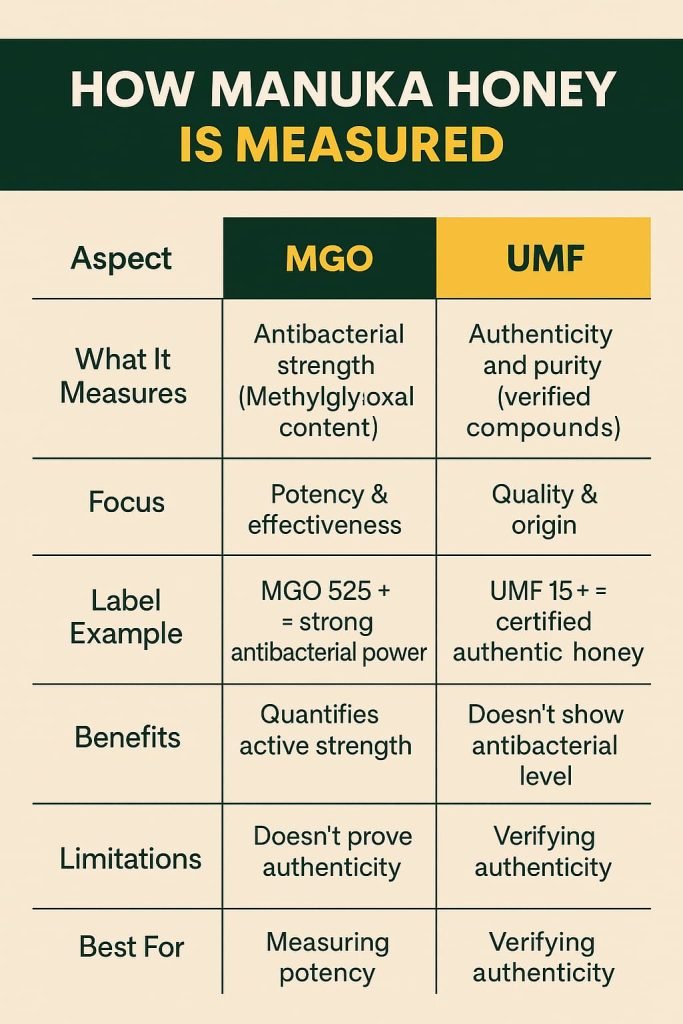
MGO (Methylglyoxal): The scientific measure
What it means: MGO stands for methylglyoxal, the naturally occurring compound responsible for manuka honey’s powerful antibacterial activity.
The MGO rating represents the concentration of methylglyoxal in milligrams per kilogram (mg/kg) of honey, which means that a honey labelled MGO 525+ would contact 525mg of the active antibacterial compound in every 100ml.
The MGO system was developed by researchers at the University of Dresden in Germany and is used widely by brands that offer consumers a scientific measure of strength and quality.
Key benefits:
- Directly measures the active compound, methylglyoxal
- Great for those looking for a clear, quantitative measure of antibacterial strength
- However, it doesn’t verify authenticity or purity — it’s a chemical potency scale, not a quality certification
UMF (Unique Manuka Factor): The authenticity measure
- UMF is a quality trademark and certification programme run by the Unique Manuka Factor Honey Association (UMFHA) in New Zealand. Rather than measuring the antibacterial activity of the honey, it authenticates that the honey is genuine.
Key benefits:
- Verifies authenticity and purity by measuring Leptosperin content
- Also measures DHA (dihydroxyacetone), which converts to MGO over time
- However, it doesn’t verify the antibacterial compound itself, so for those looking for an effective manuka honey, this measure might not be enough alone
In conclusion, while both measures have value, opting for a manuka honey with an MGO rating which also carries an authenticity certification would be more beneficial for those looking to take advantage of the transformative antibacterial properties of manuka honey.
Don't Fall For Trends!
It’s easy to be tempted by the latest social media trends and new companies. However, it’s essential to exercise caution and prioritize brands with a proven track record. Established companies offer stability and credibility, often lacking in newer brands without long-term results or ample customer feedback.
By choosing a company that’s been around awhile you’re ensuring peace of mind and a happy wallet!

3 myths about manuka honey (debunked)
Myth 1: All manuka honey is created equal
Not all manuka honey delivers the same health benefits. The potency varies dramatically based on MGO content, which can range from as low as 85 mg/kg to over 1,450 mg/kg. A honey with an MGO of 85+ has lower therapeutic benefits, while an MGO of 850+ contains significantly more antibacterial compounds. Lower-grade varieties are perfectly fine as a delicious natural sweetener, but if you’re seeking therapeutic benefits, you need a higher MGO rating.
Myth 2: If it says "active" or "bio-active," it's the real deal
Many brands use terms like ‘Active’, ‘Bio-Active’ or ‘K-Factor’ on their labels but these are often self-created marketing terms that lack rigorous independent testing. The only way to guarantee authentic manuka honey is to look for products certified to carry the MGO or UMF rating.
Myth 3: You can use any manuka honey for serious wounds
Not all grades are appropriate for wound care. Lower-grade manuka honey may be ineffective on serious wounds, and raw honey can pose infection risks for immunosuppressed individuals. Wound-care grade honey used in clinical settings must meet specific potency standards (typically and MGO of 525+ or higher) and undergo sterilisation. Always consult healthcare professionals before using manuka honey therapeutically and never give any honey to infants under 12 months due to the risk of botulism.
4 surprising health benefits of manuka honey products
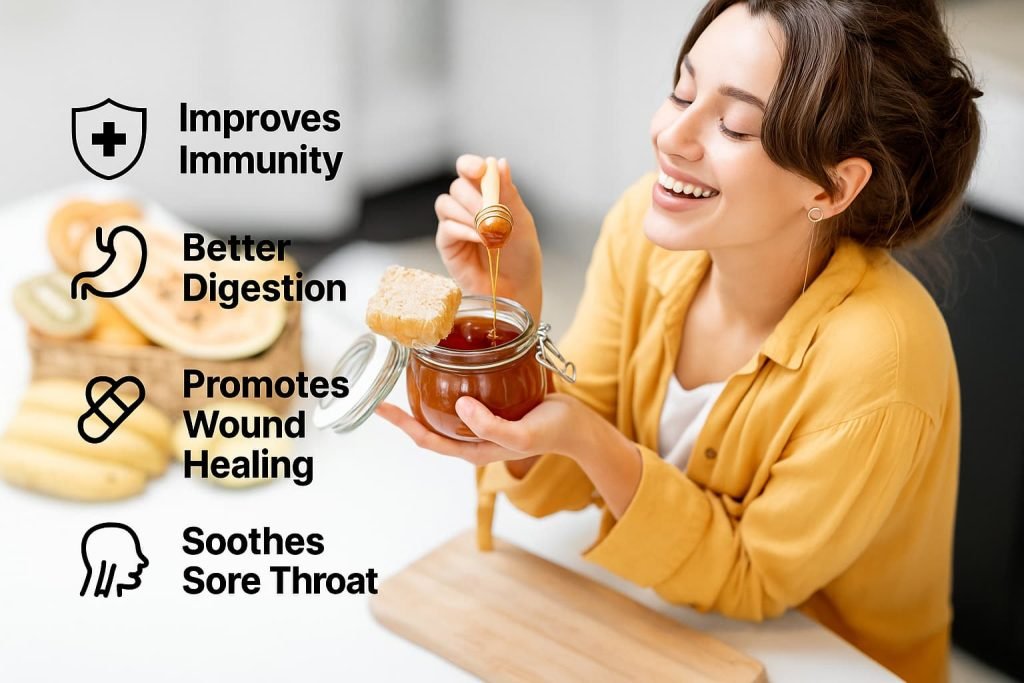
Immune system support and sore throat relief
The National Institute for Health and Care Excellence (NICE) now officially recommends honey as a first-line treatment for short-term coughs and colds in people over 12 years old. Manuka honey’s unique antibacterial MGO content makes it particularly effective at soothing sore throats, reducing inflammation in the respiratory tract, and potentially shortening the duration of upper respiratory infections. Adding manuka honey to warm tea with ginger, turmeric, and lemon creates a powerful natural remedy without side effects.
Natural relief for digestive wellness
Studies reveal that manuka honey can provide significant support for gut health and digestive comfort. Its antibacterial properties help combat problematic bacteria, while its anti-inflammatory compounds reduce gut inflammation. Manuka honey also contains prebiotics called fructo-oligosaccharides, which boost the growth of beneficial gut bacteria. Higher-grade honeys (MGO of 525+ upwards) taken as one to two teaspoons before meals show the most notable results for digestive wellness.
Inside-out skincare and anti-ageing benefits
When consumed regularly, manuka honey works from within to support radiant, healthy skin. Its powerful antioxidants combat free radicals that cause premature ageing, while its anti-inflammatory properties help reduce redness and skin irritation from the inside out. The honey’s natural compounds support skin hydration and can help balance skin pH levels. Regular consumption of manuka honey as part of a balanced diet may contribute to that coveted natural glow, working alongside your external skincare routine for optimal results.
Powerful wound healing properties
Manuka honey is used in wound care clinics worldwide to treat burns, surgical wounds, and cuts. Its unique combination of properties creates a protective moisture barrier that promotes tissue regeneration while its antibacterial compounds (particularly in MGO of 850+) help prevent infection. Research shows manuka honey can be effective even against drug-resistant strains of bacteria, and its ability to minimise scarring has made it valuable for both minor and more serious wound care applications.
How to incorporate manuka honey into your diet
The simplest method is taking one to two tablespoons daily straight from the jar or stirring it into your morning routine. Add it to high-fibre foods like rolled oats with berries, Greek yogurt with nuts, or blend it into smoothies with spinach and avocado to slow sugar absorption and maximise benefits.
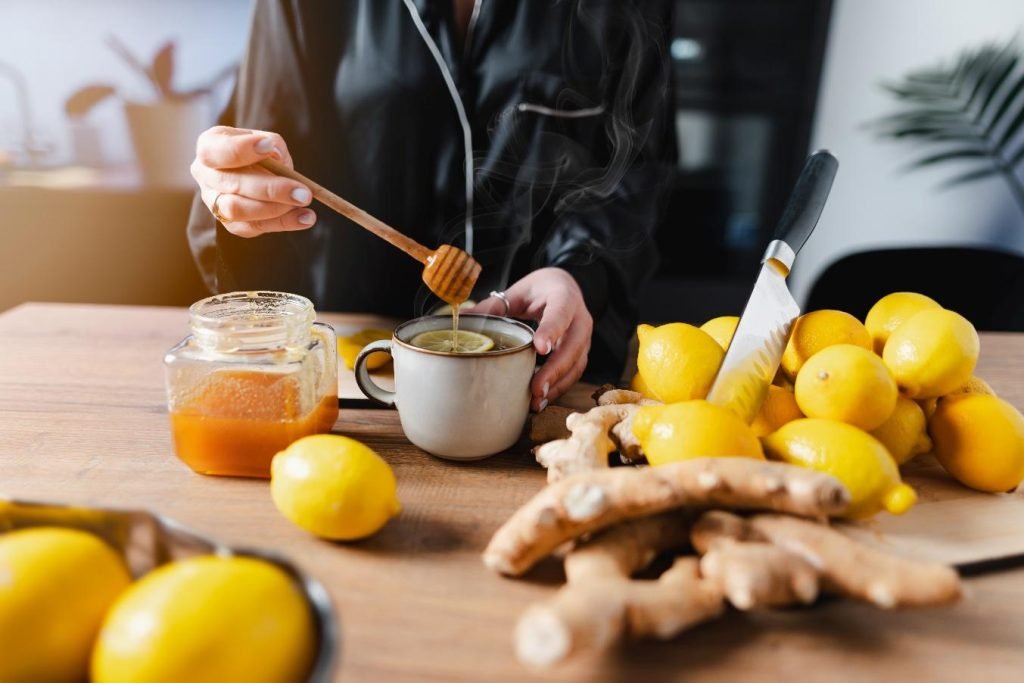
During cold season, create a therapeutic tea by mixing manuka honey with warm (not boiling) water, fresh ginger, turmeric, lemon juice, and a dash of cayenne pepper. The warm liquid soothes throat irritation while preserving the honey’s beneficial enzymes – just ensure water isn’t too hot.
For everyday use, manuka honey makes an excellent natural sweetener in recipes, though reserve your higher-grade therapeutic honeys for direct consumption and use lower-grade varieties (MGO 85+) in cooking and baking.
6 criteria when choosing a manuka honey product
Look for official MGO rating
The most important criteria is proper certification. Authentic New Zealand manuka honey should carry the MGO or UMF™ rating, while Australian manuka should be labeled AMHA Authentic or Authorised. These certifications guarantee independent testing for the three key compounds—leptosperin, DHA, and MGO. Avoid products using self-created terms like ‘K-Factor’ or ‘Bio-Active’ which do not carry an official rating.
Understand the grading system and choose based on purpose
The MGO rating ranges from 85+ to 1,400+ and measures potency MGO content. An MGO of 85+ is the minimum for therapeutic benefits, while an MGO of 525+ is recommended for wound care and digestive support. For daily wellness, an MGO of 300+ provides good value. For targeted health applications, invest in an MGO of 525+ or higher.
Verify monofloral vs. multifloral status
‘Monofloral’ manuka honey is made primarily from manuka nectar and contains higher therapeutic compounds. ‘Multifloral’ contains a mix of manuka and other nectars with lower MGO levels. If a label says ‘blend’ or ‘blended’ without specifying monofloral or multifloral, it’s likely mixed with cheaper honey. Always look for ‘monofloral’ or pure designation for maximum health benefits.
Check for freshness and quality indicators
Look for products with traceability from hive to jar and access independent laboratory test results. Reputable brands display harvest dates and batch testing information. Quality manuka has a thick, creamy consistency and dark cream to dark brown colour with complex, herbaceous flavour—if it tastes like regular honey, it probably isn’t genuine high-grade manuka.
Ensure geographic authenticity
Genuine manuka honey must come from New Zealand or southeastern Australia—the only regions where the manuka plant grows naturally. Look for clear origin statements like “Product of New Zealand” or “100% New Zealand Made”. Premium brands highlight specific harvest regions and ethical sourcing practices. Be wary of products that don’t clearly state their country of origin.
Consider additional quality certifications
Beyond UMF™, look for non-GMO certification, glyphosate-free certification (verified by The Detox Project), and raw/unpasteurised designations that preserve beneficial enzymes. Some brands carry Certified R.A.W., Halal and Kosher certifications, and test for heavy metal contamination. While these increase price, they provide extra assurance of a premium, uncontaminated product delivering maximum health benefits.
Our Top 4 MGO 500+ Pure Manuka Honeys
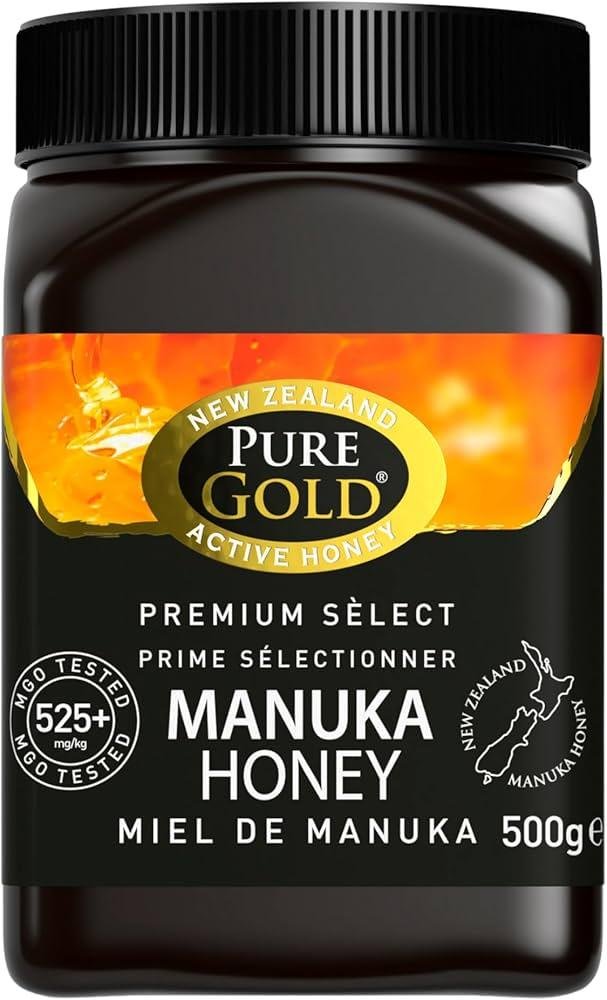
Cost: Pure Gold Manuka Honey MGO 525+ – £36.95

98%
Overall rating
PROS
- Authentic and independently verified
- Variety of MGO strengths, from MGO 85 to MGO 850
- Premium quality at excellent price point
- Traceability from hive to jar
- Excellent product ratings
- Pleasant flavour and texture
- 3k of 5-star reviews on Amazon
CONS
- Not UMF certified
The lowdown
Pure Gold’s Manuka Honey is a premium, high potency manuka honey which delivers on the sensory expectations of exceptional flavour, texture and aroma, while offering credible potency claims validated by independent lab testing.
It’s not affiliated with the UMF rating system but offers ‘hive to jar’ traceability to validate its authenticity as one of New Zealand’s finest manuka honey products on the market. It scored highly in our blind taste trials and strikes a balance between strength, taste and versatility.
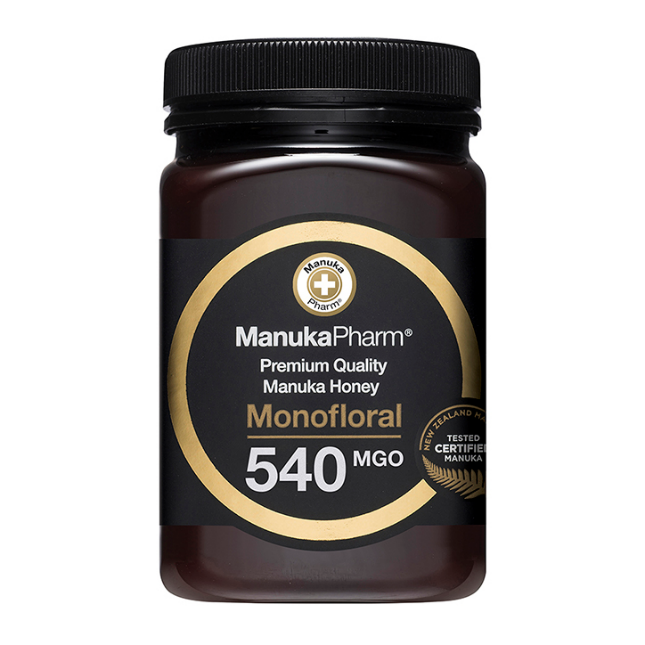
Cost: ManukaPharm MGO 540+ – £106.99

82%
Overall rating
PROS
- Batch tested twice – in New Zealand and the UK
- Range of grades, from MGO 40 to MGO 640
- Texture and consistency
CONS
- Moderate reviews on Trust Pilot
- Some users call out lack of product uniformity
- High pricing in the upper grades
The lowdown
Manuka Pharm presents itself as a high-quality, traceable manuka honey brand with strong claims about double testing and supply chain integrity. In practice, many users rate its product favourably (especially on the Holland & Barrett reviews), but there are caveats around price, transparency, and consistency. It’s a competent option in the premium manuka space, though not without trade-offs.
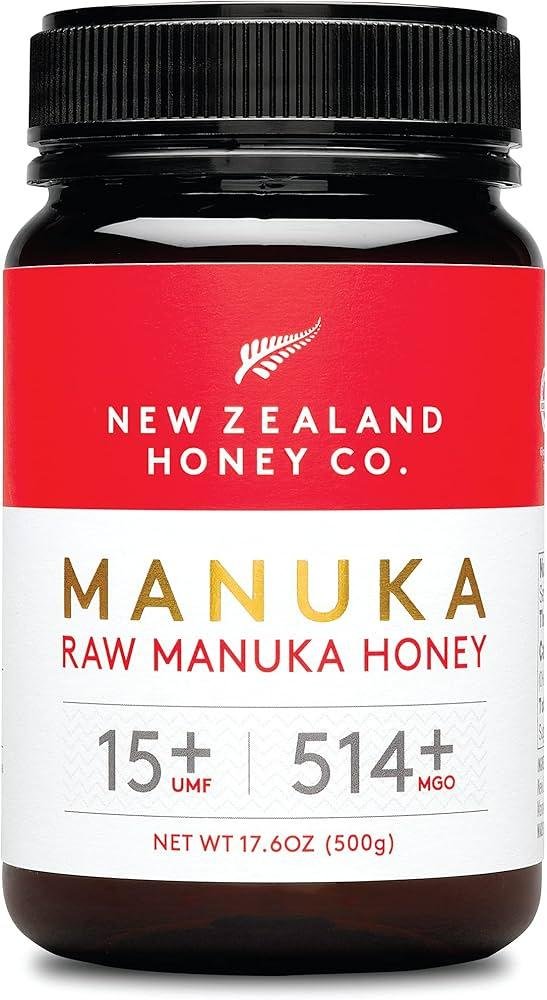
3. New Zealand Honey Co. MGO 514+, 500g
Cost: New Zealand Honey Co. UMF 15+ / MGO 514+ – £68.88

75%
Overall rating
PROS
- Certified authentic
- Raw – minimal processing
- Good user feedback on taste
- UMF and MGO certification
CONS
- Questionable consumer reviews
- Lack of transparency on lab reporting
- Premium price
- Limited customer service responsiveness
The lowdown
The New Zealand Honey Co. UMF 15+ / MGO 514+ is a premium manuka honey created for those looking for a strong but still palatable grade for both daily wellness and possible therapeutic use. It shows promise in flavour, authenticity claims, and packaging, though some areas invite scrutiny, especially around trust in reviews and transparency.
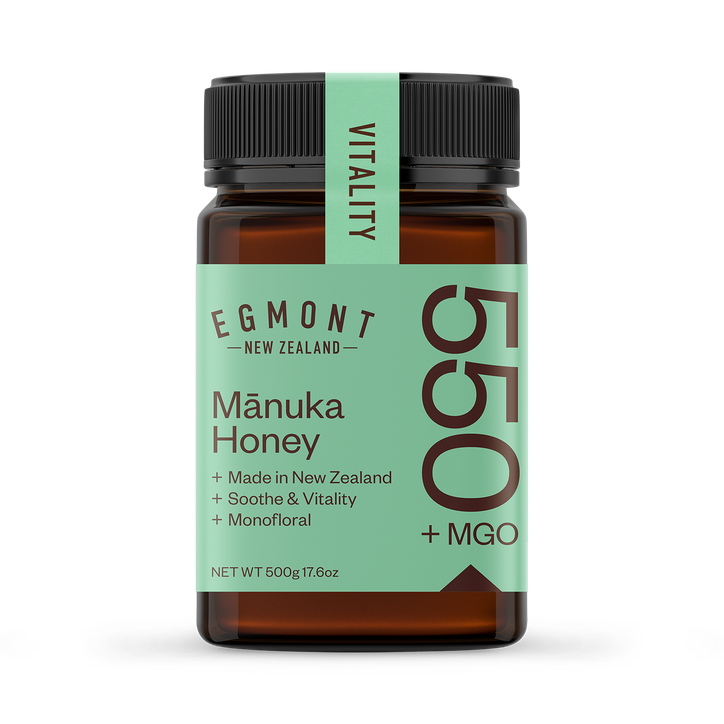
4. Egmont Honey MGO 550+, 500g
Cost: Egmont Honey MGO 550+ – £89.99

62%
Overall rating
PROS
- Strong user satisfaction
- Range of grades
- Robust flavour and character
- Texture and consistency
CONS
- For the higher grades, high cost
- Lack of transparency and lab reporting
- Not UMF certified
- Crystallisation risk – storage sensitivities
The lowdown
Egmont Manuka Honey offers a credible, middle-to-high strength honey option with mostly strong user feedback, especially for its 550+ and 830+ grades sold through the health retailer, Holland & Barrett. Some questions have been raised around price, lab transparency and relative value — but for many users it hits a sweet spot between potency and flavour.

C+
Overall Grade
PROS
- Prebiotics
- Functional mushrooms
- Reasonably priced at $45
CONS
- No chlorella, rhodiola, or matcha
- Contains cereal grasses
- No probiotics
- Proprietary blend
- 8 grams sugar
- 30-day return policy
The Bottom Line
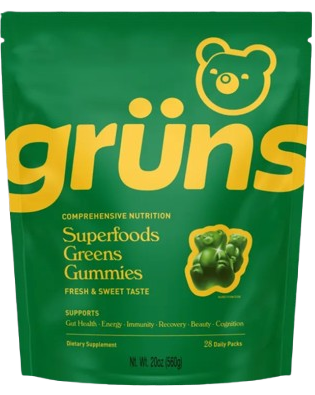
Grüns is formulated with a proprietary blend that includes prebiotics and a few functional mushrooms. However, it does contain cereal grasses, 8 grams of sugar, and lacks key ingredients like matcha, rhodiola, & chlorella.
While some customers do enjoy Grüns, many have issues with gummies because of the added fillers, less bioavailable nutrients, unreliable dosing, and synthetic vitamins.
Many users do enjoy the taste and the convenience of a prepackaged gummy, but do wish they could get a higher dose to meet their daily greens needs.
Potential customers should also take into account that Grüns was recently founded in 2023 and has a short 30-day refund policy on unopened items.
* Results are based on the Smarter Reviews Ranking System and do not necessarily reflect typical results from the use of these products. Please visit product websites for more information.
CITATIONS
- https://nutritionfacts.org/topics/standard-american-diet/
- https://www.ncbi.nlm.nih.gov/books/NBK541075/
- https://journals.plos.org/plosone/article/file?id=10.1371/journal.pone.0016169&type=printable
- https://www.ncbi.nlm.nih.gov/pmc/articles/PMC4066283/
- https://www.ncbi.nlm.nih.gov/pmc/articles/PMC3541197/
- https://www.ncbi.nlm.nih.gov/pmc/articles/PMC4684115/
- https://www.ncbi.nlm.nih.gov/pmc/articles/PMC6521003/
- https://www.ncbi.nlm.nih.gov/pmc/articles/PMC5236007/
Author

David Easter has worked for over 15 years as a science editor at various renowned publications in the health sector.
Our Main Sources


Sources used for research purposes. Smarter-Reviews.com are not officially affiliated with these sites.
What You Will Learn:
Estimated Read Time 5 Minutes